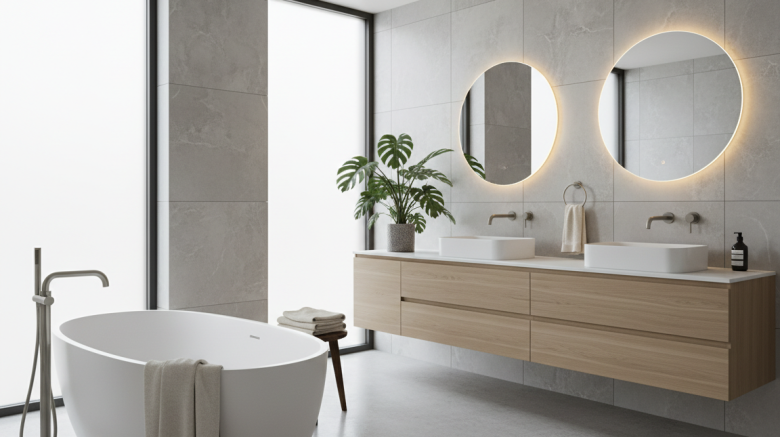
Planning a bathroom renovation? This resource provides United States homeowners straightforward, plumbing-focused direction. It’s designed to help you plan a successful home improvement project that lasts. You’ll find actionable recommendations on bathroom renovation and plumbing planning, cost control, and eco-friendly improvements – Read here about bathroom remodeling.
We recommend partnering with Renovate Builders or a qualified plumber for code-approved work and reliable estimates. Qualified tradespeople identify hidden issues—like moisture damage inside walls—and help avoid pricey missteps. Those missteps can double a project’s timeline.
Throughout the article, you’ll see guidance on planning, evaluating current plumbing limitations, and selecting fixtures and surfaces. You’ll also learn best practices for installing showers, tubs, and toilets. There are simple power, lighting, and ventilation notes to make sure your bathroom safe and comfortable.
As a next step, schedule a on-site assessment and a plumbing consult with Renovate Builders or a trusted local licensed plumber. Assume something will pop up: budget a 10–15% contingency. Also, remember that shifting fixture locations typically adds both cost and time.
Key Takeaways
- Begin with a site assessment and plumbing consult to clarify scope and costs.
- Bring in Renovate Builders or a licensed plumber for code-correct, proper work.
- Include a 10–15% contingency for surprise water damage or unknowns.
- Moving drains or fixtures adds to project time and budget.
- Blend design and practicality by locking in plumbing before demolition.
Planning Your Bathroom Renovation With Plumbing Front And Center
Strong planning can help you save money and stress when remodeling your bathroom. Begin by closely reviewing your space and identifying what you really need. Small bathrooms need thoughtful choices to fit everything without feeling cramped.
Assess The Existing Space And Define Renovation Priorities
Review how well your bathroom is set up, its storage options, lighting, and flooring type. Choose if you want to keep your tub, swap to a walk-in shower, or include a double vanity. Use reference photos to compare options and decide without rushing.
Establish a budget plan with well-defined top priorities. By doing this, you can focus on the must-haves first and leave the nice-to-haves for later on.
Understand Current Plumbing Restrictions And Layout Implications
Find out where your drain lines, vents, and supply runs are before you lock in a layout. Shifting a toilet or bathtub can be costly because it might mean cutting into floors or walls. Staying with things in place can lower the budget and avoid major rework.
Verify your pressure and the age/condition of your pipework. Older pipes might not work well with updated fixtures and could need upgrading.
Permits, Codes, And Why A Licensed Plumber Is Important
Many places require permit approvals and inspections for plumbing installs. Having the right size drains, the right slope, and easy-to-reach shutoff valves is critical. A licensed plumber understands the local rules and can stop budget-blowing mistakes.
Working with a professional team like Renovate Builders or a qualified plumber makes sure your work is completed correctly. Always keep a 10–15% buffer for surprise costs like a spongy floor or mould.
- Document current plumbing locations with photos and quick sketches.
- Ask contractors about permit responsibilities and inspection timing.
- Plan for future needs like grab rails or comfort-height models to save on future remodel work.
Bathroom Remodel Planning And Plumbing
Solid plumbing comes from a clear plan. Prior to any demo starts, lock in the plumbing layout and check it with your licensed plumbing pro. This step avoids surprise openings in the walls and helps keep drains at the proper pitch. Turn off the main water before you start to prevent damage and delays.

Plan Plumbing Before Demo
Set fixture locations, vent paths, and drain paths early on. A well-planned plumbing plan cuts time during rough-in and reduces repair costs later. Plan service panels and maintenance access so technicians can reach valves and junctions without tearing out finishes.
Upgrade Pipes And Valves
Outdated galvanized steel or polybutylene water lines should be updated with modern materials like PEX or copper pipe when feasible. A re-pipe improves reliability and overall water quality. Install shutoff valves at every fixture; good ball valves or quarter-turn stops make maintenance easier and reduce the risk of leaks – Link here about bathroom remodeling.
Water Pressure, Flow, And Water Heater Planning
Test existing water pressure before choosing low-flow heads. Some high-efficiency fixtures require good pressure to feel comfortable. For steady temperature under varying use, consider thermostatic valves; they hold set temperature better than simple pressure-balance valves.
If you plan multiple shower heads, a big soaker tub, or floor heat, check the water heater’s FHR. A higher FHR or a tankless water heater may be necessary to handle hot water demand. Improving plumbing can ease strain on septic systems or sewers and boost long-term results.
- Ensure shower pans and drains have proper slope for drainage.
- Choose updated piping methods and add access panels for repairs.
- Use Renovate Builders and licensed plumbers to properly size pipes and vents properly.
If you want full-service support, look for plumbing teams that coordinate remodeling schedules and material choices. Strong communication between the homeowner, contractor, and plumber keeps the job moving and minimizes unexpected issues.
Design Choices That Balance Style And Function
Good bathroom design combines looks with practical use. Start by picking fixtures and materials that match your plumbing and day-to-day use. Choosing wisely can prevent future repair needs and keep your space looking new.
Choosing fixtures is not just about style. Pick WaterSense faucets and dual-flush models to cut water use and reduce stress on plumbing. High-end faucets, LED-lit faucets, or hands-free faucets might need additional wiring or filters. Plan your sink replacement carefully to fit your counter and tap sizes.
Fixture Selection And How It Affects Plumbing
- Check water pressure and flow before picking waterfall spouts or rainheads.
- Bidets and heated seats often need additional plumbing work or an electrical connection.
- Opt for models with accessible valves and swappable cartridges for easy maintenance.
Layout Tips For Master Baths And Small Bathrooms
- In a master bath, target 36–42 inch pathways. Double vanities with 36 inches between sinks are comfortable.
- Separate WC rooms add privacy without burning a lot of space.
- For small bathrooms, choose lighter colors, oversized mirrors, pocket doors, and wall-mount or corner basins to open up floor space.
- Built-in niches and recessed medicine cabinets increase storage while leaving floors open.
Materials Built For Wet-Environment Durability
Choose hard-wearing bathroom materials that can cope with moisture and wear. Porcelain tile and glazed tiles work well for floors and shower wall surfaces. Quartz stone and granite countertops fight staining without needing regular resealing.
Use grippy or mosaic-style tiles for better grip and mold-resistant grout in wet zones. Glass panels, large-format stone, or enamel-on-steel panels are solid for shower walls. Heated floors improves comfort and pairs nicely with a programmable thermostat for saving energy.
Where to spend: focus on hard-wearing floors, good ventilation, and good fixtures. Spend less on handles and pulls, mirrors, or decorative accents. Renovate Builders can help you pick materials that balance cost, longevity, and style.
Best Practices For Shower, Tub, And Toilet Installation
Finalize fixtures and plumbing plans early on to avoid costly changes later. Proper shower installation and careful shower valve selection are critical. Understand when to recoat a bathtub and when to swap it. Choose toilets that fit your bathroom’s layout and look at comfort-height options for future comfort.
Shower drainage & slope
Ensure the shower pan pitches toward the drain to prevent standing water. Follow local codes for waste size and pitch. Use waterproofing membrane behind tile and verify seams before setting tile. For walk-in curbless showers, plan a exact slope to stop water from running into nearby areas.
Valve selection & safety
Choose thermostatic mixing valves for consistent temperature control, or pressure-balance valves for typical installs. Place valves for easy access and maintenance. Add recessed shelves and lighting points in the layout to keep toiletries accessible and cut slip risk.
Bathtub refinishing vs replacement
Restore tubs when the base is solid and only the finish needs repair. That saves cost and time. Replace tubs when there is structural damage, ongoing leaks, or when you want a new tub style like a soaker. Replacement can mean plumbing changes and drain changes.
Choosing a toilet and comfort-height options
Prioritize models with reliable flushing and WaterSense certification to lower water use. Comfort-height models, at 17–19 inches tall, help people to stand with reduced strain and support long-term accessibility. Consider dual-flush or bidet options to cut paper use and reduce utility costs.
Installation best practices
- Install isolation valves at all fixtures for fast service.
- Add service panels to access valves and controls.
- Ask a qualified plumber check drain slope and venting routes to prevent clogs and odors.
If the project gets complex, Renovate Builders can support you. Trust their experienced crews for precise shower installs, proper valve selection, and reliable toilet repair. They will keep the project on schedule and code compliant.
Lighting, Ventilation & Electrical Upgrades
Good bathroom design combines practical systems with style. Plan lighting, venting, and electrical upgrades at the same time. Doing so, each choice supports the others. Early planning avoids expensive changes and keeps the space safe and pleasant.
Layered lighting for function and mood
- Use ambient, task, and accent lights to prevent harsh shadows at the mirror. Set mirror lights at eye level, about 66 inches up. Use side sconces 36–40 inches apart. A linear fixture above the mirror is the best option when side-mounting is not feasible.
- Pick dimmable fittings and warm temps (2700K–3000K) for a soft, flattering light. Add strong task lighting near the shower/tub. Soft accent lighting are great for recessed niches or beadboard details.
Proper ventilation to prevent mold and moisture issues
- Add a bathroom fan that matches the room’s volume. Small bathrooms need about 50 CFM. Larger rooms or steam showers need more. Choose a fan that matches the room for reliable humidity control.
- Consider humidity-sensing units and timers that run 20 minutes after use. Very quiet fans are ideal for primary suites, reducing mildew and protecting surfaces.
Electrical safety and outlet planning
- Put GFCI power points where required: near basins, within tub reach, and for devices. Add hidden charging in vanity drawers to leave counters clear and powered.
- Update wiring when required and add dedicated circuits for power-hungry features like radiant floors or heated towel rails. A 20-amp circuit is wise for multiple styling tools. Partner with licensed electricians and Renovate Builders to hit code and keep installs safe.
Simple choices have a big impact. Prioritize a quiet exhaust fan and GFCI power points. Plan lighting zones early and verify circuit load before adding heated floors or heated towel rails. Coordinate with Renovate Builders and a licensed sparky to lock in placement, cabling, and venting. This way, your bathroom will perform beautifully for years.
Cost Management, Eco-Friendly Upgrades, And When To Hire Professionals
Pre-planning is key to a successful bathroom upgrade. Begin with a real budget and be ready for unexpected issues. A 10–15% buffer can handle unplanned problems like wood rot, mould, or pipe fixes.
Collect estimates from nearby plumbers to compare cost. Doing this helps you make an smart decision.
Budgeting, Surprise Costs, And Where To Spend
Switching fixture locations or re-routing drainage can raise costs. Addressing pipes or water damage adds to the bill. Spend on durable flooring, a good ventilation system, and dependable plumbing to save in the long term.
Cut costs on decor items like cabinet hardware, mirrors, and light fixtures. Consider the long-term value of replacing a basin or tub instead of recoating them.
Eco-Friendly Choices That Lower Bills
Small updates can make a big difference. Choose WaterSense faucets, shower heads, and toilets to cut water use and money. Consider tankless heaters and more natural light to cut down on energy use.
Pick recycled glass tiles or natural products for a greener bathroom. If permitted, a greywater reuse system can save on water bills.
DIY Tasks Vs Hiring Renovate Builders And Licensed Plumbers
Do simple tasks like painting and installing handles and hardware yourself. But, leave technical work like moving fixtures and repiping to the licensed trades. They require special skills and permits.
Hiring Renovate Builders and licensed plumbers helps ensure your project meets code. For fancy designs or peace of mind, hiring pros is a smart move.
Arrange a plumbing consult early on. A quote from Renovate Builders or a licensed plumber helps you set your budget. It helps ensure your bathroom upgrade on track.
Conclusion
Preparation is key to a long-lasting bathroom remodel. Start by evaluating your existing bathroom and defining clear objectives for style and function. It’s also a good idea to involve a licensed plumbing pro from the beginning to avoid surprises.
Test your water pressure and look over your supply lines. Prepare for any pipe/valve upgrades required. Doing so ensures your updated fixtures perform well for years.
Choose durable materials and proper ventilation to keep your bathroom in great shape. Choose thermostatic valves for stable temperature control and WaterSense products to cut water use. Don’t forget to keep a 10–15% extra budget for surprise costs.
Balance spending on key items with saving elsewhere to get the best value for your spend. This way, you’ll enjoy your remodeled bathroom for many years.
For a smooth project, hire a licensed plumbing contractor and a reputable company like Renovate Builders. They can handle permits, ensure everything is done right, and safeguard your home investment. Reach out to them for a clear plan and estimate for your bathroom remodel.
Related: The Longevity of a Bathroom Remodeling Company in Redmond