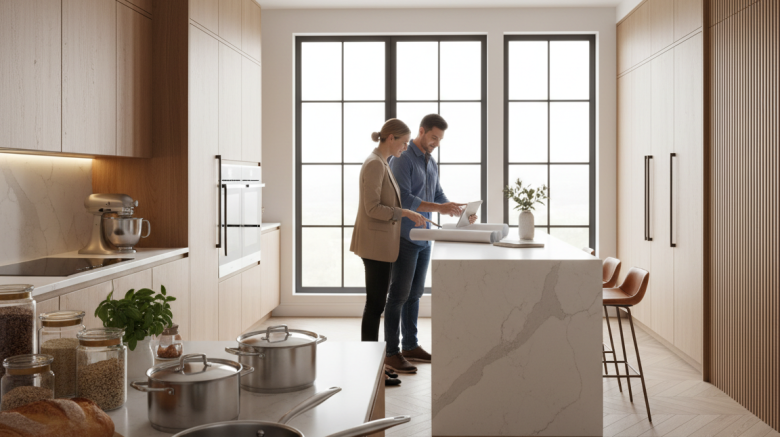
Kitchen remodeling profoundly impacts daily life, changing the way we live in our homes. A thoughtfully planned remodel enhances workflow, storage, and visual appeal. Even small upgrades, such as updated handles and pulls and a new coat of paint, can quickly breathe new life into the space. More involved local kitchen remodeling contractor Seattle WA might involve structural changes, such as installing new cabinets plus premium finishes.
Initiating the process should begin with a detailed review of the current layout, lighting, storage options, and traffic flow. This step is critical in determining if you should stick with the existing layout or pursue layout adjustments. Common remodel elements include cabinet updates, new counters, backsplash installations, flooring upgrades, improved lighting, new appliances, and ventilation improvements.
Partnering with Renovate Builders ensures a design-first approach, strong budget discipline, and code compliance. Their specialists expertly manages the line between creative kitchen remodel ideas and real-world budget and time limits. This method creates a kitchen that not only improves day-to-day workflow while also improving overall property value.

Core Takeaways
- Kitchen renovation enhances day-to-day routines and boosts resale value.
- Remodels can range from surface-level updates through to full new kitchen construction.
- Start by assessing footprint, storage options, the lighting, plus traffic flow.
- Typical scopes include cabinetry, countertops, floors, lighting, and appliances.
- Work with Renovate Builders to coordinate design, costs, plus compliance with codes.
Why Kitchen Remodeling Boosts Home Value
Spending on kitchen renovation can deliver strong returns for many homeowners. A well-scoped kitchen upgrade can increase resale potential and daily-life comfort. Upgrades that renew cabinets, counters, and appliances often attract potential buyers and offer a substantial return on investment.
Return on investment and resale appeal
Buyers typically prioritize updated, practical kitchens when comparing homes. A mid-range kitchen renovation with durable, neutral finishes can broaden the buyer pool. Selecting energy-saving appliances and solid-surface countertops helps maintain resale value without overspending.
Daily benefits beyond resale
A remodel also improves daily comfort and efficiency. Features like slide-out shelves, tall pantries, and smarter storage streamline morning routines. Better lighting plus appliance upgrades can lower utility bills while improving usability.
Real examples and realistic expectations
Actual remodel projects demonstrate practical ways to impact your kitchen. One project utilized a pull-and-replace strategy to keep existing plumbing and electrical, leaving more budget for high-visibility finishes. Another project squared off angled cabinets and installed floor-to-ceiling subway tile to refresh the kitchen without changing the structure.
Renovation costs vary widely. Smaller updates may cost $5,000–$15,000, whereas full remodels often exceed $25,000–$50,000 especially with structural work or premium materials. Expect extra costs such as permit fees, possible hidden repairs like mold aging wiring, and debris removal.
Renovate Builders offers accurate cost estimates while guiding decisions to improve overall improvement value. Their on-site consultations help establish practical timelines and help prioritise updates that deliver a strong blend of day-to-day usefulness plus long-term buyer appeal.
Kitchen Remodel Planning: Goals, Budget, And Timeline
Before any demo begins, review your kitchen’s current functionality. Review layout performance, storage capacity, lighting quality, appliance placement, plus traffic patterns. Pinpoint what needs improving, such as a cramped island or awkward fridge access. At the same time, note what’s worth keeping, like working appliances, solid walls, plus current plumbing and electrical to reduce costs.
Evaluating Your Current Kitchen
Do a thorough walkthrough using a checklist. Check clearances around the cooker, sink, and refrigerator. Assess cabinet storage for depth and access. Analyze how light hits prep areas. Explore simple tweaks to enhance functionality, such as turning upper cabinets into open shelves or replacing a peninsula with an island.
Setting A Realistic Budget And Priorities
Establish a target budget for the remodel. Most budgets range from $5,000–$15,000 for straightforward updates up to $25,000–$50,000+ for premium renovations. Prioritise on long-lasting investments such as cabinets, countertops, and hard-wearing flooring.
Look into typical costs across cabinet styles and countertop materials. Consider local installation costs and set aside a contingency for unforeseen costs. This approach helps manage costs effectively.
Identify cosmetic elements that can be delayed, like a feature backsplash or specialty lighting. This plan lets you prioritise core upgrades without overspending.
Creating A Timeline With Renovate Builders
Break down the project in phases: design and selections, permits and approvals, demo, plumbing and electrical rough-ins, installations, and finishing touches. Renovate Builders manages the timeline and ensures steady progress.
Apply practical tactics to speed up the project. Keep appliances in place to avoid utility reconnections. Explore a pull-and-replace approach to limit major structural work. Buy strategically around sales events to stretch your budget.
Defined milestones and open communication are essential to meeting deadlines and adapting to unforeseen issues. With a well-planned approach, a realistic budget, and a structured timeline, your kitchen renovation can run smoothly.
Designing An Efficient Kitchen Layout For Your Lifestyle
Start by thinking about how you use your kitchen each day. A purposeful layout supports cooking, entertaining, and quick weekday routines. It shapes storage placement, counter space, and traffic flow, creating a smooth, natural experience during renovation.
Every layout option offers distinct benefits, influenced by space constraints plus cooking habits. Select a configuration that fits your home’s layout and how you move while cooking for best usability for a modern kitchen design.
Common Layouts And How To Choose
A U-shaped layout makes the most of countertop and cabinet space. It’s ideal if you prioritise prep space and storage without an island.
The L-shape layout is ideal for open layouts. Pair it with an island to form a gathering spot while keeping an efficient prep-and-cleanup flow.
A galley layout work exceptionally well when space is tight. Using well-planned storage and uncluttered paths, they allow two people cooking seamlessly.
A one-wall kitchen are a strong fit for studios or narrow spaces. Add vertical storage plus clever organisers to enhance capacity.
Island-focused designs deliver seating and prep zones. Go this route when entertaining plus cooking with guests around are top priorities for a custom kitchen feel.
Work Triangle And Kitchen Zones For Efficiency
Position the sink, cooktop, and fridge into a tight, unobstructed triangle. Aim for short, direct routes between each point minimise steps.
Organise the room by zones: prep, cooking, clean-up, storage, and consumables. Set up each area with matching storage and surfaces—deep drawers for pots, pull-out pantry shelves for dry goods.
Build small stations such as a coffee or breakfast niche. These small zones support day-to-day routines and cut down cross-traffic during busy mornings.
Keeping Or Changing The Layout Footprint
Sticking with the current footprint reduces costs and often avoids big permits. A pull-and-replace remodel focuses on surfaces and fixtures, while leaving plumbing and electrical unchanged.
Changing the footprint creates new possibilities yet raises time and costs. Opening up a wall to join a 12×10 kitchen to adjacent space can deliver a larger 26×12 area, perfect for entertaining and an island layout.
Shifting appliances into a previous pantry area can improve flow while freeing up counter space. Balance potential hidden repairs and structural work against day-to-day improvements before making a call.
Utilize these choices to craft a practical modern kitchen design that aligns with your daily life. Smart decisions on layout, zones, and footprint lead to a more custom kitchen that looks great and works well.
Kitchen Remodeling: Materials, Finishes, And Feature Choices
Material selection is critical in shaping both the look and function of your kitchen. Opt for hard-wearing surfaces in high-traffic zones and incorporate signature details to imbue the kitchen your own character.
Cabinet choices run from cost-effective stock units to bespoke designs tailored to unique layouts. Semi-custom cabinetry offer a balanced middle option, balancing custom options with budget. Cost-conscious alternatives can include repainting existing cabinets, or adding trim details to enhance the appearance of stock units.
In compact kitchens, well-planned storage solutions are a must. Incorporate slide-out shelves, deep drawers for pots and pans, plus vertical pantry storage for bigger storage needs. Extra features like built-in spice racks, cutlery/utensil dividers, and under-sink organisers improve everyday convenience. Full-height cabinets plus open shelving maximize space and giving easy access to essentials.
Countertops are available in many materials, to suit different budgets and lifestyles. Quartz is often a top choice because it’s low-maintenance and nonporous, ideal for contemporary kitchens. Granite and marble provide a classic stone feel but require more maintenance. For tighter budgets, laminate, butcher block, tile, and stone remnants can offer a good-looking budget option.
A backsplash not only adds visual interest and also protects the wall surface. Opt for full-height subway tile to visually increase the sense of height. Patterned tiles, such as Moroccan designs, often becomes a focal point behind the cooker. Marble-look porcelain tile provide a luxurious look at a more affordable price. Think about the grout color and sealant to limit maintenance later.
Flooring options has a big effect on warmth and durability. Hardwood or engineered wood offer a classic, warm feel. Tile and wood-look porcelain are ideal where moisture is common. Laminate or vinyl can replicate wood or stone at a lower cost, making them a budget-friendly option. Pick flooring based on use patterns and cleaning requirements.
Wall colors and cohesive finishes matter to creating a unified look. Soft neutrals such as white, light grey, and pale blue can make a kitchen look larger. Two-tone cabinetry, with a lighter perimeter and a darker island, adds a modern contrast. Statement hardware in brass or matte black, along with a painted hood or stainless open shelving, helps bring the finishes together.
As you choose features, prioritize options that provide long-lasting durability. Invest in countertops and cabinet faces where wear shows the most. Budget for decorative details like light fixtures open shelves to keep a balanced budget. Using stock cabinetry with custom panels or paint can achieve a premium look without overspending.
Smart Lighting, Appliances, And Modern Kitchen Design Trends
Improving a remodel with good lighting and the right appliances changes the space from functional to standout. Proper lighting supports safety and visibility and showcases feature zones. Energy-efficient appliances can cut utility costs and make cooking easier. This guide helps you combine smart lighting ideas with energy-saving appliances to create a unified modern look.
Layered lighting design, blending ambient, task, and accent lighting, meets all needs. Recessed lights provide ambient illumination. LED strips under cabinets and island pendants offer focused task lighting. Accent lights in toe-kicks and cabinets highlight materials and add depth.
Zoned lighting with dimmers enable instant mood shifts. Brighter task lighting supports meal prep and safety. Warm accent lights deliver an inviting atmosphere for evening gatherings. This setup supports daily cooking and hosting.
Appliance selection influences both cost and style. Choose ENERGY STAR-rated refrigerators, dishwashers, and ranges to save energy use. Models from Bosch or GE Profile deliver a streamlined look. Refacing existing cabinetry or replacing appliances during sales can save money.
Connected features add day-to-day convenience. Wi-Fi-enabled ovens and connected fridges from Samsung or LG make it possible for remote preheating plus grocery tracking. Balance smart features against long-term value and repair ease. Some features make financial sense in every kitchen remodel.
Current trends favour minimalism and mixed materials. Two-tone cabinet schemes, open shelving, and full-height backsplashes are widely used. Feature hoods with custom wood cladding bring a bold focal point. Sustainable options including bamboo and recycled glass pair well with hard-wearing quartz counters plus porcelain tile that mimics marble.
Even modest changes can make a big difference to the kitchen. A fresh cabinet paint job can update midcentury-style kitchens. White upper cabinets boost visual openness. Replacing a peninsula with an island enhances flow in open layouts. A statement range hood can ground the space and help justify additional modern details during a kitchen upgrade.
- Layered lighting setup: recessed + under-cabinet + accent LEDs
- Appliances: choose ENERGY STAR and consider integrated panels
- Material picks: quartz countertops, porcelain floors, reclaimed timber accents
- Connected options: Wi-Fi ovens and connected refrigerators for daily ease
Budget-Friendly Kitchen Upgrade Strategies
Making smart choices transforms a budget-friendly kitchen renovation into a well-planned project, rather than a mere cost-cutting exercise. Small, targeted updates can significantly alter the kitchen’s style and usability, all while maintaining budget control. Concentrate on changes that offer the biggest visual and functional payoff before you tackle big layout changes or system moves.
High-Impact, Low-Cost Updates
Painting cabinets or walls can quickly update the space at a fraction of the cost of replacing everything. Updating handles and pulls to modern hardware can also create a unified look. Stick-on backsplash tile offer instant style with little effort and mess.
Installing under-cabinet lighting helps brighten prep zones, while updating light fixtures, such as simple pendant fixtures, can anchor the design. Small counter upgrades in key spots, such as an island surface, can transform perception without replacing everything.
When To Refinish, Reface, Or Replace
Opt for a refinish or repaint when the cabinet boxes are in good shape and only surfaces appear worn. Refacing doors and drawer fronts provides the look of new cabinetry while staying budget-friendly. Replace entire cabinets when the layout must change, if water damage is significant, or durability matters most.
Apply similar logic to countertops. Consider overlays or refinish kits for short-term savings. Put money into a full replacement if you want a surface that lasts such as quartz or granite to boost resale value and daily use.
Buying Smart: Timing And Sourcing
Shop during key sales including Black Friday, Memorial Day, and end-of-season clearances to stretch your budget. Visit stone yards for remnants and off-cuts when looking for quartz or granite; these off-cuts often fit an island or small runs for significant savings. Outlet centres and manufacturer clearances can deliver appliances at lower prices.
Explore reclaimed wood or reclaimed tile for unique accents that add character and can save money. Keep big appliances in place to avoid costly utility rerouting. Choose stock or RTA cabinets for big savings, and direct more budget to durable items like countertops and quality cabinet fronts.
DIY Versus Hiring Pros
Do painting peel-and-stick backsplash installs, plus hardware updates as DIY tasks to cut on labour costs. Outsource plumbing/electrical to licensed professionals to stay code-compliant to prevent major mistakes. When in doubt, use a qualified contractor for structural, gas, or tricky appliance installs.
Plan a realistic mix of DIY and pro tasks to hit your timeline and quality goals. That balance promotes a smoother upgrade and safeguards your investment in the broader home improvement and kitchen remodeling effort.
- Paint cabinets and walls for fast impact
- Refinish or reface first when the boxes are in good shape
- Use sales, outlets, and remnants to stretch your budget
- DIY cosmetic work, hire pros for systems and code tasks
- Prioritize long-lived items and keep appliances to avoid utility moves
Working With Contractors And DIY Tips For A Successful Remodel
Embarking on a kitchen renovation necessitates a solid plan, steady communication, and practical decision-making. Whether opting for a full-service builder or handling DIY for smaller tasks, minute planning minimises stress levels while saving funds. Below are essential steps to support a smoother remodel.
Renovate Builders starts by doing an in-home assessment to uncover any structural needs and potential savings. They develop a line-item budget, outlining materials, labor, and permit fees. They advise on keeping the footprint to limit cost and disruption, or adjusting it for long-term value.
They organises trades, organises permit reviews, and organizes work to reduce downtime. Using pull-and-replace and bulk sourcing helps prioritise key finishes while keeping costs controlled for homeowners.
Professionals vs DIY tasks
Certain tasks work well for DIY, including paintwork, installing peel-and-stick backsplash tile, changing handles and pulls, and assembling ready-to-assemble cabinets. These tasks can be handled if you’re confident, lowering installation costs and refreshing the look quickly.
Professional tradespeople are essential for plumbing, electrical work, structural framing, and complex tile or cabinet installation. Hiring contractors for those tasks helps ensure safe outcomes, meeting codes, and smooth inspections. It’s important to inquire about warranties and aftercare when selecting a contractor.
Contractor vetting: quick checklist
- Check recent reviews and ask for examples of completed kitchen remodels.
- Verify state licenses and current insurance policies before signing.
- Ask for written, itemised estimates and clarify who manages permits and waste removal.
- Call references and ask about timeliness and communication.
Staying organized during construction
Keep one central project binder or digital folder for plans, contracts, permits, product selections, and receipts. Having one source minimises misunderstandings while keeping decisions accessible during busy weeks.
Set communication standards using daily or weekly updates. Set milestone check-ins for demo, rough-ins, inspections, and final install. A temporary kitchen setup helps the household function while work is underway.
Practical scheduling and budget tips
| Task | Who Handles It | Timing Tip |
|---|---|---|
| Deliveries and staging | Homeowner with contractor coordination | Schedule to arrive just before installation to avoid storage issues |
| Plumbing and electrical rough-ins | Licensed trades | Complete early in sequence to prevent rework |
| Cabinet and countertop installation | Installers or Renovate Builders teams | Verify measurements post rough-ins to prevent delays |
| Finishing touches and inspections | Contractor and local inspectors | Leave buffer time for punch-list items and unexpected repairs |
For homeowners prioritising long-term value, blending targeted DIY with pro support delivers the best results. Renovate Builders can help guide timing, sourcing, and phasing to help keep everything on track while protecting your cost and schedule.
Inspiration And Practical Kitchen Remodel Ideas
When planning a kitchen renovation, look for inspiration from real projects. Lots of successful remodels stick with the original layout but update finishes. As an example, square off angled 1990s cabinets, add open shelving, or showcase a statement range hood. These changes can modernize a kitchen without tearing everything out.
Small, yet impactful, changes can dramatically shift the feel of the room. Explore painting cabinets in two tones, changing the island size/orientation, or recessing the refrigerator to look built-in. Extending tile to the ceiling builds height. Choose porcelain tile that mimics Carrara marble and butcher-block island tops to get a luxe look without the price tag.
When space is limited, select layouts like galley, one-wall, or L-shaped plans for better efficiency. Include tall storage, pull-out pantry shelves, plus compact islands/banquettes. Light colours and reflective finishes often make the space look larger. Bring in bolder touches like patterned flooring, Moroccan accents, or vintage elements to bring character without overspending.
Explore eco-friendly budget options such as refinishing instead of full replacement, using reclaimed wood, plus energy-efficient appliances. Mix inspiration with practical planning. Prioritize durable finishes, verify structural requirements, and partner with Renovate Builders. They will help translate ideas into an actionable plan with defined costs and schedules for your renovation.
Related: Home Remodeling Kirkland Wa Water Filtration Systems